Guest lecture · UC Merced
Molecular Dynamics Warm-up
An interactive computational lesson that moved from Newton’s equations to working time-integration algorithms and a materials-scale friction example.
The central question
How do we turn a force law into a stable, useful trajectory of atoms?
- Newtonian dynamics
- Euler integration
- Verlet and Velocity Verlet
- Timestep accuracy
- LAMMPS
- MoS₂ friction
Lesson design
How the class unfolded
Activate
A short pre-class assessment surfaced students’ starting ideas about motion, forces, and numerical integration.
Build
Students compared Euler, Verlet, and Velocity Verlet, connecting each step to position, velocity, and force updates.
Apply
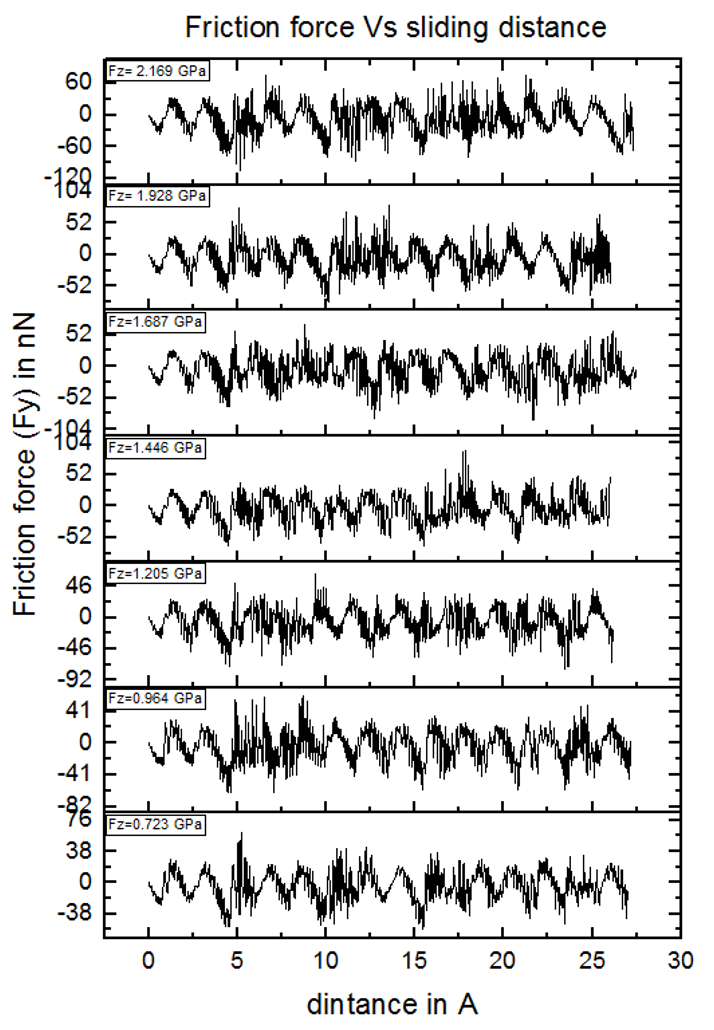
A friction example translated the algorithms into an atomistic materials problem using sliding MoS₂ interfaces.
Assessment & evidence
How learning was made visible
Before class
Concept checkPre-class questions established the baseline.During class
Live codingStudents reasoned through timestep and update choices.After class
Post assessmentA follow-up check revisited the core concepts.Student-response files are summarized here but are not published as downloads, even when responses appear anonymous.
Class materials
Open the teaching files
Notebooks and editable files download directly; PDFs and videos may open in the browser.
Interactive lecture notebook
Jupyter lesson with executable examples
Download ↓PythonVelocity Verlet script
A compact Python implementation
Download ↓PDFCourse notes · Class 6.1
Supporting molecular-dynamics notes
Open resource ↗PDFCourse notes · Class 6.2
Follow-on molecular-dynamics notes
Open resource ↗